
TMJ Treatment in St. Cloud
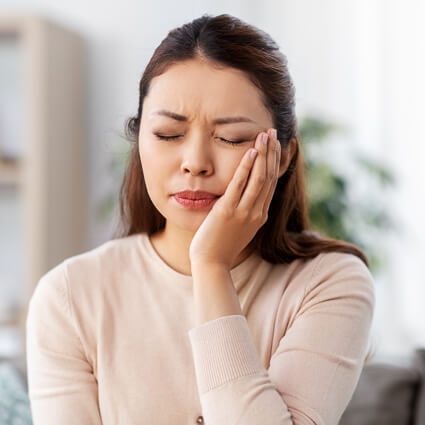 Jaw pain doesn’t stay in the jaw. It can make chewing, talking, or a full night’s sleep feel like a chore, and the headaches that come with it wear on you day after day. If you’ve been living with a tight, aching jaw and don’t know why, TMJ disorder may be the reason.
When the Jaw’s Hinge Stops Working Smoothly
TMJ disorders develop when the temporomandibular joints (the small hinges just in front of each ear) become irritated, inflamed, or misaligned. These joints let you chew, speak, and open and close your mouth many times a day, so even small dysfunction adds up fast. Clicking, popping, jaw locking, and pain around the face or ear are all signs the joint or its surrounding muscles aren’t moving the way they should.
Why Stress and Strain Show Up in Your Jaw
Most TMJ pain we see traces back to a habit or old injury that’s been quietly stressing the joint over time. Common contributing factors include:
- Teeth grinding or clenching
- Stress-related muscle tension
- Jaw injury or trauma
- Arthritis in the joint
- Bite misalignment
How TMJ Tends to Make Itself Known
Jaw pain and facial soreness are usually the first things patients notice, often paired with stiffness or a jaw that won’t open all the way. Clicking, popping, or a grinding sensation when you chew or talk is common too, and for some people the joint locks up entirely.
The discomfort doesn’t always stay local. Headaches, ear symptoms, tooth pain, and neck or shoulder tension frequently tag along, part of why TMJ gets missed or misdiagnosed for so long.
When a Sore Jaw Becomes Something More
Occasional jaw tightness after a stressful week is one thing. But if clicking, locking, or facial pain shows up regularly, interrupts your sleep, or spreads into headaches and neck pain, it’s worth having the joint evaluated rather than waiting it out.
Finding the Real Source, Not Just the Symptom
At Advantage Chiropractic, our chiropractor gets to the root of TMJ pain by looking at history, joint mechanics, muscle tension patterns, posture, and upper cervical alignment. That upper neck connection matters more than most patients expect, since restriction in the C1 through C3 vertebrae can pull the jaw off track and inflame the joint, even without any injury to the jaw itself.
Care typically includes gentle jaw mobilization along with adjustments to the upper cervical spine and jaw to restore alignment and ease strain. Acupuncture is also offered for TMJ, often alongside adjustments. The goal is a comfortable, hands on approach that restores normal jaw motion and calms the tension driving your pain.
Less Clenching, Fewer Flare-Ups
One of our patients came in with stress-related jaw clenching that was disrupting her sleep. With gentle jaw adjustments and acupuncture, her jaw relaxed, her nighttime clenching eased, and flare-ups during high stress periods became far easier to manage.
That’s the kind of change we look for: less tension, fewer surprise flare-ups, and a jaw that moves the way it’s supposed to again.
Get Your Jaw Pain Evaluated
If jaw pain, clicking, or tension headaches have become part of your routine, you don’t have to keep working around them. Advantage Chiropractic can help you find out what’s driving your TMJ symptoms and build a plan to calm them down. Contact us today to schedule your evaluation.
